
INSIGHTS
Workspace Design Trends for 2026 and beyond

The conversation around the workplace has continued to develop and uncover new areas for debate. There has been a shift in the way businesses have approached the “home versus office” debate. The questions being asked now relate more to what kind of workplace genuinely improves people’s working lives and how that environment can be achieved.
The focus in recent years has been creating a destination within the office and creating a place that promotes community and in-person collaboration. As hybrid working patterns solidified, businesses have become more intentional about the role the office plays in giving people what they can’t get elsewhere.
The physical office will continue to be a top priority for businesses. The workplace is becoming an ecosystem that supports human connection, wellbeing and organisational culture and this will be reflected by more evolved and intricate design. These spaces will be responsive and built around the employee to ensure they provide a rewarding experience.
Employee Experience as the foundation
Companies now realise the importance of the employee experience in the workplace and understand that the office must earn the commute by providing spaces that people actually want to be in. This is especially relevant given Leesman’s latest findings that employees unhappy with their commute are almost twice as likely to be in the office less than one day per week.
The way we experience the environment around us is multilayered and multisensory. When we put the human experience at the centre of workplace design, the spaces we create can take on complexities and details that enhance employees’ workday and wellbeing.
These are the trends and emerging themes that we believe are gaining momentum and will shape workplace design in 2026 and beyond.
Supporting Individual Work
When we talk about workspace requirements with clients, collaboration is often cited as a key activity that needs to be supported better in their workplace, but we mustn’t overlook the individual working experience.
The Leesman data found that 89% of employees say desk-based individual focused work remains their most important activity and the home environment is more conducive to it. Therefore, if offices are to earn the commute, more emphasis must be placed on designing spaces that better support individual work.
This looks like introducing more quiet areas for desk-based focus work, acoustically balanced layouts, seating that supports posture over long periods, intuitive zoning and lighting schemes that support concentration as well as other design features that elevate the working experience.
Hospitality-Led Design Will Become the Standard
We expect to see more hospitality-inspired spaces created in workplaces.
Over the last five years, we’ve seen the office transform from the corporate spaces of the past into an environment that emulates the comforts of the home office. Now we’re moving beyond that, with warm, inviting memorable environments that resemble boutique hotels.
Gensler’s Global Workplace Survey 2025 found that the vast majority of employees want workplaces that feel closer to hospitality settings, but their current workplaces don’t align with expectations. Only 14% prefer a traditional corporate office. The report also shows that employees are interested in having offices that resemble nature retreats, creative labs and coffee shops, spaces that move beyond the corporate setting.

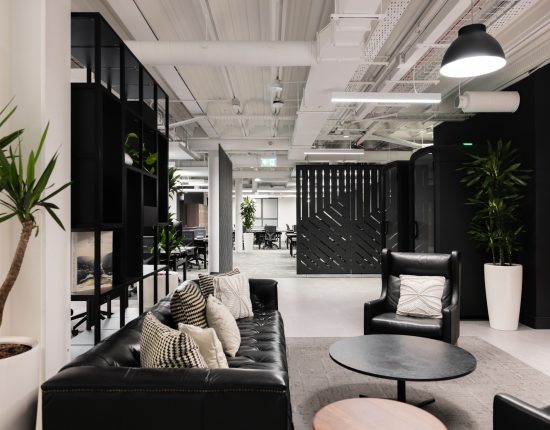
The types of features that define hospitality settings include lounge seating that supports informal conversations, café-style breakout areas that create energy as well as colour, materiality and lighting that bring character. These details make the workplace somewhere people enjoy spending time.
The notion of introducing hospitality elements doesn’t mean that the workplace will become ‘less professional’ and in fact the intended goal is entirely opposite. This all ties back to the employee experience and using design to enhance mood, support connection and create environments that people gravitate towards.
Designing for Community, Not Just Collaboration
While collaboration remains an important driver of in-office activity, the office will take on the responsibility of helping to rebuild the business community and culture.
Gallup’s 2025 State of the Global Workplace found that 22% of employees globally feel lonely at work every day, and employee engagement has fallen to just 21%. These figures highlight that although people are coming into the office, they are not necessarily feeling part of anything.
Community-centric workplaces are becoming fundamental to reducing the disconnection many employees are experiencing. The most effective environments are those that create natural moments of gathering, from central hubs and open social areas to multi-use collaboration zones and event-ready spaces.
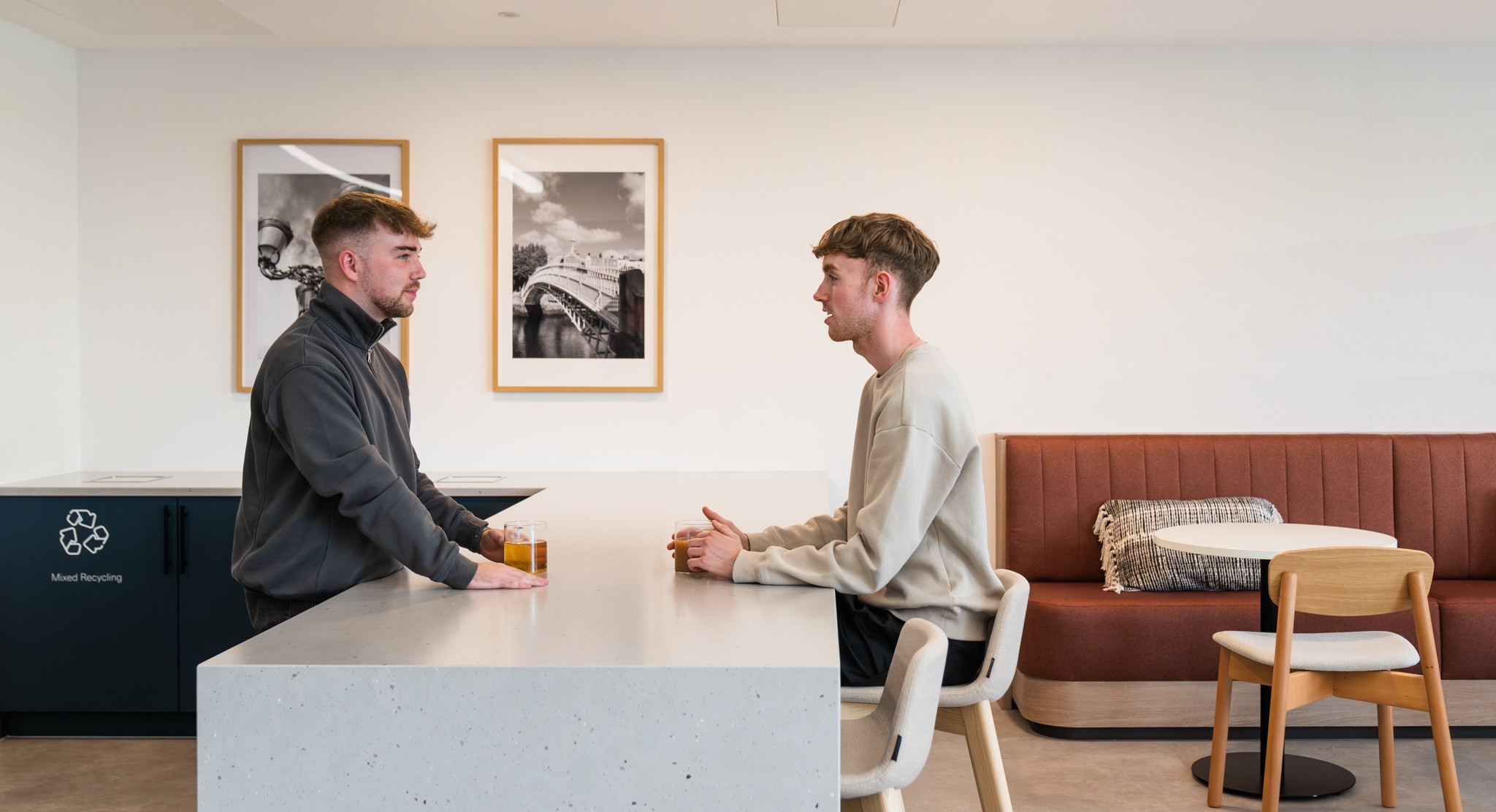
These settings do more than facilitate interaction; they provide the structural rhythm of the workplace, drawing people together in ways that feel organic rather than forced. Thoughtful design plays a crucial role here, helping to articulate and embed the culture you want to build, while connecting people to the shared purpose that underpins the organisation.
Localisation is a powerful extension of this. Incorporating cues from the surrounding area, integrating local stories into brand expression, and shaping spaces that reflect both the business and the community it sits within deepens employees’ sense of place. The office has an increasingly important role to play in restoring a sense of belonging, offering employees meaningful reasons to reconnect with each other and with the company itself.
Inclusivity That Supports Every Working Style
Our awareness and knowledge of inclusivity has improved dramatically in recent years and that is reflected in the requirements being specified in workplaces in 2026.
When we discuss the idea of inclusivity, it’s more than accessibility. Inclusive design is about making workplaces genuinely supportive for different sensory requirements and working styles. The current challenge is that typical work environments favour extroverts and have limited support for neurodiverse employees. While this challenge is slowly being addressed, it means there is a gap that still needs to be closed.

We expect to see more companies integrate focus pods and quiet work zones alongside open plan desking and collaboration spaces, to provide employees with a choice of where they work when in the office. Varied workstations such as sit/stand desks and privacy options will also become the norm and open plan spaces will include more zoning and acoustic materials throughout, to minimise noise transfer and distractions.
Elements like adjustable lighting, temperature control, ergonomic and soft sensory furniture will more frequently be introduced to the workplace. Visual guidance throughout the space will also be prioritised for predictability and ease of navigation.
Putting People at the Centre of Design
The focus is shifting from updating the workplace to designing environments that genuinely reflect how people want to work and connect. Employees are looking for spaces that feel supportive and socially engaging – giving them something to be a part of. Across the trends explored a clear direction emerges: offices are becoming places that earn the commute by offering meaningful experiences that simply don’t happen anywhere else.

Download
Thank you, your resource has opened in a new tab. If you do not see your resource please allow pop-ups or click the View Resource button.